
How to Host a Murder Mystery Dinner: сценарій, ролі та типові помилки
A murder mystery dinner is more than just an evening meal — it is a structured social experience where guests become characters, follow a storyline, and solve a fictional crime together. In 2026, this format remains popular for private parties, team-building events, and themed gatherings because it combines storytelling, improvisation, and interaction. To organise such an evening successfully, it is important to plan the scenario carefully, assign roles thoughtfully, and avoid common mistakes that can break immersion or confuse participants.
Planning the Scenario: Structure, Setting and Flow
The foundation of any murder mystery dinner is the scenario. A well-written storyline should include a clear crime, a list of suspects, motives, and a logical sequence of clues. The plot does not need to be overly complex, but it must be coherent. In 2026, hosts often use either ready-made сценарії or create custom stories based on popular themes such as classic detective fiction, 1920s noir, or modern crime dramas.
Equally important is the setting. The atmosphere should match the narrative — for example, a Victorian mansion, a luxury train, or a corporate office party gone wrong. Decorations, lighting, and background music help establish context without requiring excessive spending. Even small details such as printed invitations or themed menus contribute to immersion.
The flow of the evening should be structured into stages: introduction, character interaction, clue distribution, and final resolution. Without a clear timeline, guests may feel lost or disengaged. A typical event lasts between two and three hours, allowing enough time for interaction without causing fatigue.
How to Build a Logical and Engaging Plot
A strong plot relies on believable motives and balanced information. Each character should have a reason to be involved in the story, whether as a suspect or witness. Avoid creating a single obvious culprit; instead, provide overlapping clues that encourage discussion and deduction.
Clues should be distributed gradually throughout the evening. This can be done through written notes, secret messages, or guided announcements from the host. The key is to ensure that no participant has too much or too little information, as imbalance can lead to frustration or loss of interest.
Finally, the resolution must make sense. When the mystery is revealed, guests should feel that the outcome was logical and supported by the clues provided. A poorly explained ending can undermine the entire experience, even if the rest of the evening was enjoyable.
Assigning Roles: Character Design and Player Engagement
Roles are central to the success of a murder mystery dinner. Each guest should receive a character with a clear personality, background, and objectives. In 2026, hosts often provide printed role cards or digital briefs before the event so participants can prepare in advance.
It is important to match roles to participants. For example, more outgoing guests can take on complex or leading characters, while quieter individuals may prefer simpler roles with fewer responsibilities. This balance ensures that everyone feels comfortable and involved.
Costumes and props can enhance the experience, but they should remain optional. Not all participants will have the time or interest to prepare elaborate outfits. Providing simple suggestions rather than strict requirements helps maintain accessibility while still encouraging creativity.
Keeping Guests Actively Involved Throughout the Evening
Engagement depends on interaction. Characters should have reasons to speak with one another, share information, or withhold it strategically. If roles are too passive, guests may become spectators rather than participants.
The host plays a crucial role in maintaining energy. By guiding the narrative, introducing new clues, and prompting conversations when necessary, the host ensures that the story continues to move forward. This is especially important if guests are unfamiliar with role-playing activities.
Clear instructions also matter. Before the event begins, participants should understand the basic rules: how to use clues, whether they can lie, and how the final accusation will work. Transparency reduces confusion and helps everyone focus on the story rather than the mechanics.
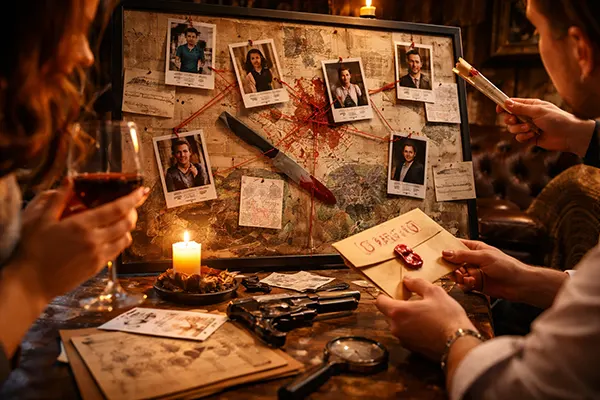
Common Mistakes: What Often Goes Wrong
One of the most frequent issues is overcomplicating the scenario. While it may be tempting to create a highly intricate plot, too many twists and details can overwhelm guests. Simplicity and clarity are more effective than unnecessary complexity.
Another common mistake is poor time management. If the event drags on without clear progression, participants may lose interest. On the other hand, rushing through key moments can prevent guests from fully engaging with the narrative. A balanced pace is essential.
Technical oversights, such as missing materials or unclear instructions, can also disrupt the evening. Preparing all сценарій elements in advance — including printed clues and role descriptions — helps avoid last-minute problems.
How to Avoid Disruption and Maintain Immersion
Consistency is key to immersion. Sudden breaks in the narrative, unrelated distractions, or unclear transitions between stages can weaken the experience. The host should act as a facilitator, ensuring that the story remains coherent from start to finish.
It is also important to manage expectations. Not all guests will be equally enthusiastic about acting or improvisation. Allowing flexibility in participation helps create a more inclusive environment without forcing anyone into discomfort.
Finally, feedback after the event can be valuable. Understanding what worked well and what could be improved allows future events to be better organised. In practice, even small adjustments — such as clearer instructions or better pacing — can significantly enhance the overall experience.