Budget Game Night: 20 Ways to Have Fun Without Buying New Board Games
Planning a game night does not always require a shelf full of expensive board games or constant spending on new entertainment. Many households already have enough items, ideas, and simple resources to create a lively evening with friends or family. In 2026, rising prices on leisure activities have encouraged more people across the UK to organise low-cost gatherings at home, using creativity instead of shopping lists. A well-planned budget game night can still feel fresh, competitive, and social without anyone needing to buy another boxed game.
Classic Home Activities That Still Work Brilliantly
Traditional parlour games remain popular because they are easy to organise and work for almost any age group. Charades, trivia quizzes, word challenges, and memory games need little more than paper, pens, and willing participants. Many people underestimate how entertaining these older formats can be when players add themed rounds, time limits, or personal inside jokes connected to the group.
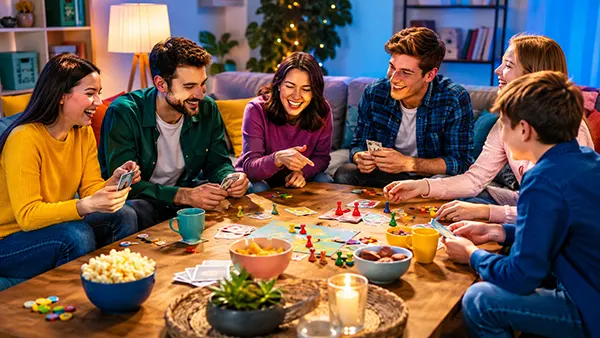
Card games are another reliable option because most households already own at least one standard deck of cards. Poker variations, Rummy, Crazy Eights, Hearts, and Cheat can entertain groups for hours without requiring additional purchases. In Britain, simple card nights remain common during family gatherings because they are easy to explain and quick to set up.
Paper-based games also deserve more attention during low-budget evenings. Categories games, drawing contests, homemade bingo cards, and guessing challenges can be adapted for children or adults. Some groups even create scoreboards and small homemade prizes to make the evening feel more organised and competitive without adding unnecessary costs.
Using Household Items as Entertainment Tools
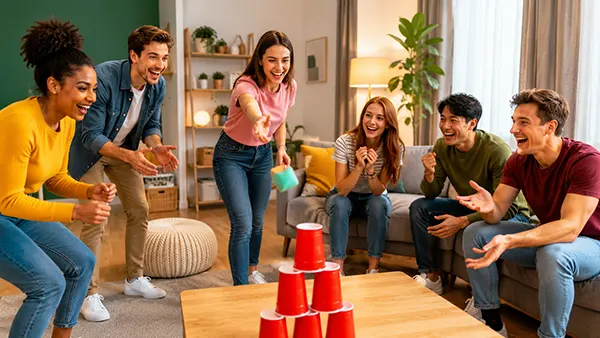
Many entertaining challenges can be built from objects already sitting around the home. Plastic cups, coins, spoons, cushions, and kitchen timers can all become part of quick mini-games. Stack-building races, balancing contests, and accuracy throws are especially useful for mixed-age gatherings because the rules are simple and participation feels natural.
Mobile phones can also support game night without turning the evening into endless scrolling. In 2026, many free quiz generators, timer applications, and drawing tools allow players to create custom challenges instantly. Using technology carefully can improve pacing and variety while keeping the focus on social interaction rather than passive screen time.
Music-based games continue to work well for parties because streaming services give quick access to large playlists. Guess-the-song rounds, lyric challenges, and soundtrack quizzes can easily fill an hour without preparation. These games are particularly effective when the playlist reflects the group’s shared memories, favourite films, or different generations.
Creative Social Games for Small and Large Groups
Conversation-based games have become increasingly popular because they encourage interaction instead of complicated rules. Story-building games, “Would You Rather” sessions, and mystery roleplay challenges work particularly well for people who are not regular board game players. These activities create laughter naturally because participants shape the direction of the game themselves.
Improvisation games can also transform an ordinary evening into something memorable. Simple acting tasks, fake interview challenges, or creating fictional advertisements from random household products often produce the funniest moments of the night. These activities cost nothing yet frequently become the stories people remember long after the gathering ends.
Team competitions help maintain energy during longer evenings. Splitting guests into small teams for rotating challenges keeps everyone involved and reduces awkward moments where one player dominates the activity. In many British homes, game nights now mix quizzes, physical mini-games, and creative tasks together instead of relying on a single long session.
How to Keep the Evening Engaging Without Spending Money
Structure matters more than expensive equipment. Organising several short games instead of one long activity helps maintain excitement throughout the evening. Many hosts now prepare a rough timeline in advance, alternating between louder competitive rounds and calmer social games to avoid fatigue.
Food and atmosphere also influence the success of a low-cost gathering. Homemade snacks, shared drinks, and simple lighting changes can make the environment feel more welcoming. A comfortable setting often matters more than the games themselves because people usually remember the atmosphere and conversations first.
Adding personalised elements creates a stronger connection between players. Questions about shared experiences, challenges linked to favourite films, or games inspired by local humour make the evening feel unique. Personalisation costs nothing but often increases participation because players feel emotionally involved rather than simply following rules.
Modern Low-Cost Alternatives to Traditional Board Games
Printable games have become more common in recent years because many creators release free downloadable materials online. Puzzle sheets, escape-room style challenges, scavenger hunts, and printable trivia packs can be prepared at home in minutes. This approach allows hosts to refresh their game night regularly without building an expensive collection.
Neighbourhood and outdoor games also offer useful alternatives when indoor space is limited. Evening treasure hunts, photography challenges, and walking quizzes encourage movement while keeping costs extremely low. In 2026, many families in the UK combine local walks with competitive activities to reduce screen time and encourage social interaction.
Another growing trend involves adapting existing games instead of purchasing new ones. Some groups rewrite rules, combine two different games together, or invent themed versions connected to holidays or birthdays. This approach keeps familiar activities feeling fresh without requiring additional spending.
Why Budget Game Nights Remain Popular in 2026
Economic pressure has encouraged more people to look for affordable ways to socialise without sacrificing quality time. Staying at home for entertainment is now viewed less as a compromise and more as a practical and comfortable choice. Many people appreciate the relaxed atmosphere that home gatherings provide compared with crowded public venues.
There is also growing interest in screen-light social activities that encourage real conversations. Board-game alternatives built around teamwork, humour, and creativity help people disconnect from constant online communication. This balance between digital convenience and offline interaction has become increasingly valuable for families and friendship groups.
A successful budget game night ultimately depends on energy, creativity, and participation rather than expensive products. With thoughtful planning and a willingness to experiment, a simple evening at home can easily become more entertaining than many paid activities. The strongest memories usually come from shared laughter and spontaneous moments, not from how much money was spent on the entertainment itself.