Poker Night with Friends in 2026: How to Host a Home Tournament for Beginners
A poker night at home is a simple way to bring friends together for an evening of cards, conversation and friendly competition. In 2026, organising a beginner-friendly tournament requires little more than a suitable table, a deck of cards, poker chips and agreed rules. The secret is keeping the format straightforward so everyone can enjoy playing, even without previous poker experience.
Preparing Your Home Poker Tournament
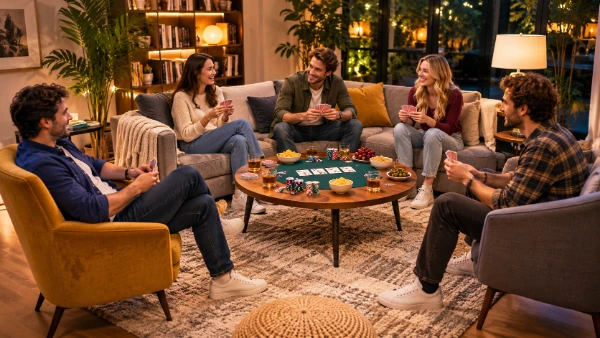
Start by inviting four to eight friends, an ideal number for a single-table tournament. Choose a comfortable room with enough space for everyone to see the cards and reach their chips. A standard 52-card deck, a dealer button and approximately 300 poker chips should be sufficient for a small gathering. Use two decks if you want to speed up dealing between hands.
Texas Hold’em is a sensible choice for beginners because its basic rules are relatively easy to learn. Each player receives two private cards and combines them with five community cards to make the strongest five-card hand. Anyone unfamiliar with the game can read introductory poker information at no limit way casino before the evening. Online gambling and a private home game are different activities, however, so keep the gathering focused on friendly competition.
Consider running the tournament without money. Give every guest an equal starting stack of 5,000 chips and award a small trophy or another symbolic prize to the winner. If participants suggest playing for money, check the applicable local laws first. Private gambling rules differ between countries, and charging an entry fee or taking a commission may create additional legal issues.
Setting the Blind Levels and Tournament Schedule
Blinds are compulsory bets that encourage players to compete for each pot. For a beginner tournament, start with a small blind of 25 chips and a big blind of 50. Increase them every 15 or 20 minutes, following a predetermined schedule. For example, move from 25/50 to 50/100, then 75/150 and 100/200. A visible timer helps everyone follow the changes.
Plan approximately two to three hours for a small tournament, although the actual duration depends on the number of players and blind increases. Schedule a ten-minute break after the first hour. Avoid rebuys during the first event because allowing eliminated players to purchase additional chips can complicate the structure and extend the evening.
Before dealing, explain that players act in turn and can fold, call or raise when permitted. The dealer button moves clockwise after each hand, determining the order of play. Keep a printed hand-ranking chart nearby so guests can compare combinations without arguments. A short practice round with no competitive stakes is particularly helpful for newcomers.

Making Poker Night Comfortable and Entertaining
A successful poker evening depends on more than the cards. Arrange comfortable chairs, adequate lighting and a clear playing surface. Keep drinks on a separate side table to prevent spills. Prepare easy-to-eat snacks, including sandwiches, vegetables and small pastries, while avoiding greasy food that might damage the cards or make the chips unpleasant to handle.
Choose background music at a volume that still allows conversation. Ask one person to manage the timer and another to check the blind schedule. Players can take turns dealing, although a volunteer who knows the rules may make the opening rounds easier. Encourage everyone to announce bets clearly and keep their chips visible throughout the game.
Remember that beginners will sometimes misread their hands or misunderstand betting order. Explain mistakes calmly and apply the same agreed rules to everyone. Players should never reveal another person’s cards or discuss a live hand in ways that influence decisions. Keeping the atmosphere relaxed matters more than recreating the intensity of a professional tournament.
Finishing the Tournament and Planning Another Evening
As competitors are eliminated, the remaining players continue until only one holds all the tournament chips. When two players remain, the dealer button also marks the small blind, who acts first before the flop and second afterwards. Explain this adjustment before heads-up play begins to prevent confusion during the final hands.
Present the winner with a modest prize, take a group photograph if everyone agrees and allow time to discuss memorable hands. Avoid making eliminated participants sit around for too long: they can enjoy refreshments, watch the remaining action or play a separate casual game without interfering with the tournament.
Afterwards, ask guests whether the blind levels felt comfortable and whether the event lasted too long. Their feedback can help shape the next gathering. A regular monthly poker night with rotating hosts and consistent rules gives friends something enjoyable to anticipate without turning a relaxed social occasion into an expensive competition.