Family Holiday Formats That Stay Engaging Beyond the First Trip
Planning a family holiday in 2026 is no longer about simply choosing a destination. The challenge is finding formats that remain interesting after the first experience and can be adapted over time. Modern families look for flexibility, shared experiences, and activities that appeal to different age groups. The following formats stand out because they combine variety, involvement, and long-term appeal without becoming repetitive.
Active Travel with Built-In Variety
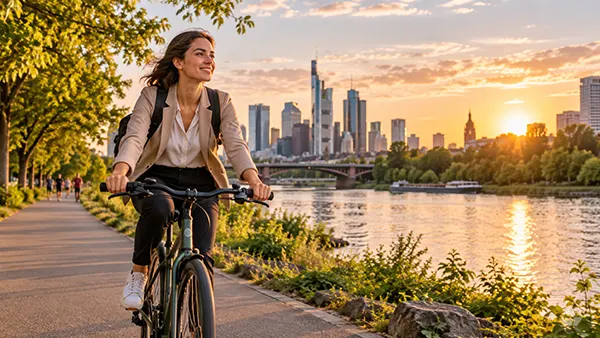
Active holidays that combine movement with discovery tend to keep families engaged over multiple trips. Hiking routes, cycling tours, and nature-based itineraries offer a constantly changing environment, which prevents boredom. In the UK and across Europe, well-developed trail systems and family-friendly маршрути allow for gradual progression in difficulty, making them suitable for both children and adults.
What makes this format sustainable is its adaptability. One year, a family might explore coastal paths in Cornwall; the next, alpine trails in Austria. The structure remains familiar, but the scenery, culture, and challenges change. This creates a sense of continuity without repetition.
Another advantage is the balance between structured and свободное время. Families can plan daily routes while leaving space for spontaneous stops, local food experiences, or cultural visits. This flexibility keeps the experience fresh even after several trips.
How to Keep Active Holidays Interesting
To maintain long-term interest, it helps to vary the intensity of activities. Mixing short walks with more demanding excursions prevents fatigue and keeps children motivated. Including interactive elements, such as treasure hunts or wildlife spotting, also adds a layer of engagement.
Rotating destinations is equally important. Even within one country, landscapes can differ significantly. Coastal cliffs, forests, and mountain regions provide distinct experiences while maintaining the same holiday format.
Finally, involving all family members in planning decisions increases commitment. When children help choose routes or activities, they are more likely to stay interested and engaged throughout the trip.
Educational Travel with Practical Experience
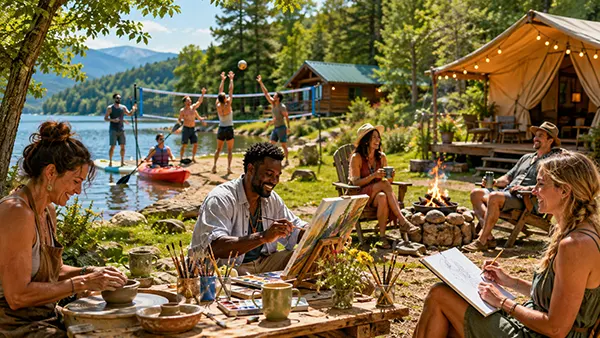
Educational holidays have evolved beyond traditional museum visits. In 2026, families increasingly choose experiences that combine learning with participation. Farm stays, science centres, historical реконструкции, and cultural workshops allow children to interact directly with the subject matter.
This format remains engaging because it connects theory with real-life application. For example, visiting a working vineyard in France or a renewable energy centre in Denmark offers insights that cannot be replicated through books alone. The hands-on element makes each trip distinct.
Another key factor is relevance. Topics such as sustainability, local food production, and technology resonate with both adults and children. When the content reflects real-world issues, it naturally maintains interest over time.
Making Learning Holidays Sustainable
To avoid repetition, families should focus on different themes each year. One trip might centre on history, another on science or ecology. This thematic approach ensures that each experience feels new while retaining the educational structure.
Choosing locations that offer interactive programmes is also essential. Workshops, guided tours, and практические занятия provide depth and keep participants involved rather than passive observers.
It is equally useful to balance structured learning with leisure. Combining educational activities with relaxation time prevents overload and makes the overall experience more enjoyable for all family members.
Flexible Resort and Hybrid Holidays
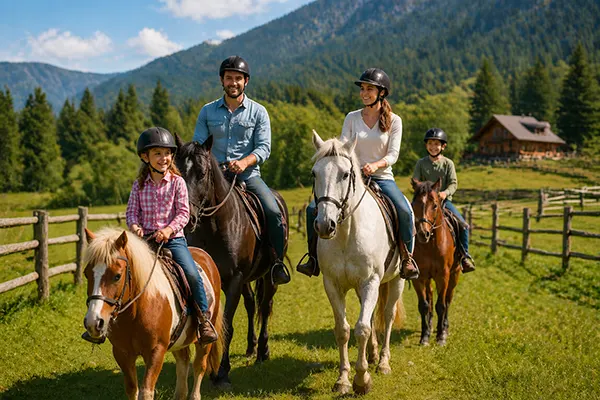
Resort-based holidays have adapted significantly in recent years. Modern family resorts now offer a hybrid approach that combines relaxation with optional activities. This format works well because it allows each family member to choose their level of involvement.
Facilities such as sports clubs, creative workshops, and local excursions provide variety without requiring constant planning. Families can spend one day by the pool and the next exploring nearby towns or природные зоны. This balance helps prevent monotony.
Another reason this format remains popular is convenience. Accommodation, meals, and activities are often organised in one place, reducing logistical stress. This makes it easier to focus on shared experiences rather than coordination.
Adapting Resort Holidays for Long-Term Appeal
To keep resort holidays interesting, it is important to avoid repeating the same location every year. Even within the same resort chain, different destinations offer unique surroundings and cultural contexts.
Exploring outside the resort also adds value. Local markets, природные достопримечательности, and cultural events introduce variety and help families connect with the destination beyond the hotel environment.
Finally, setting small goals for each trip can enhance engagement. Whether it is trying new activities, learning basic phrases of the local language, or exploring a new cuisine, these objectives create a sense of progress and keep the format fresh.